




Veszprém
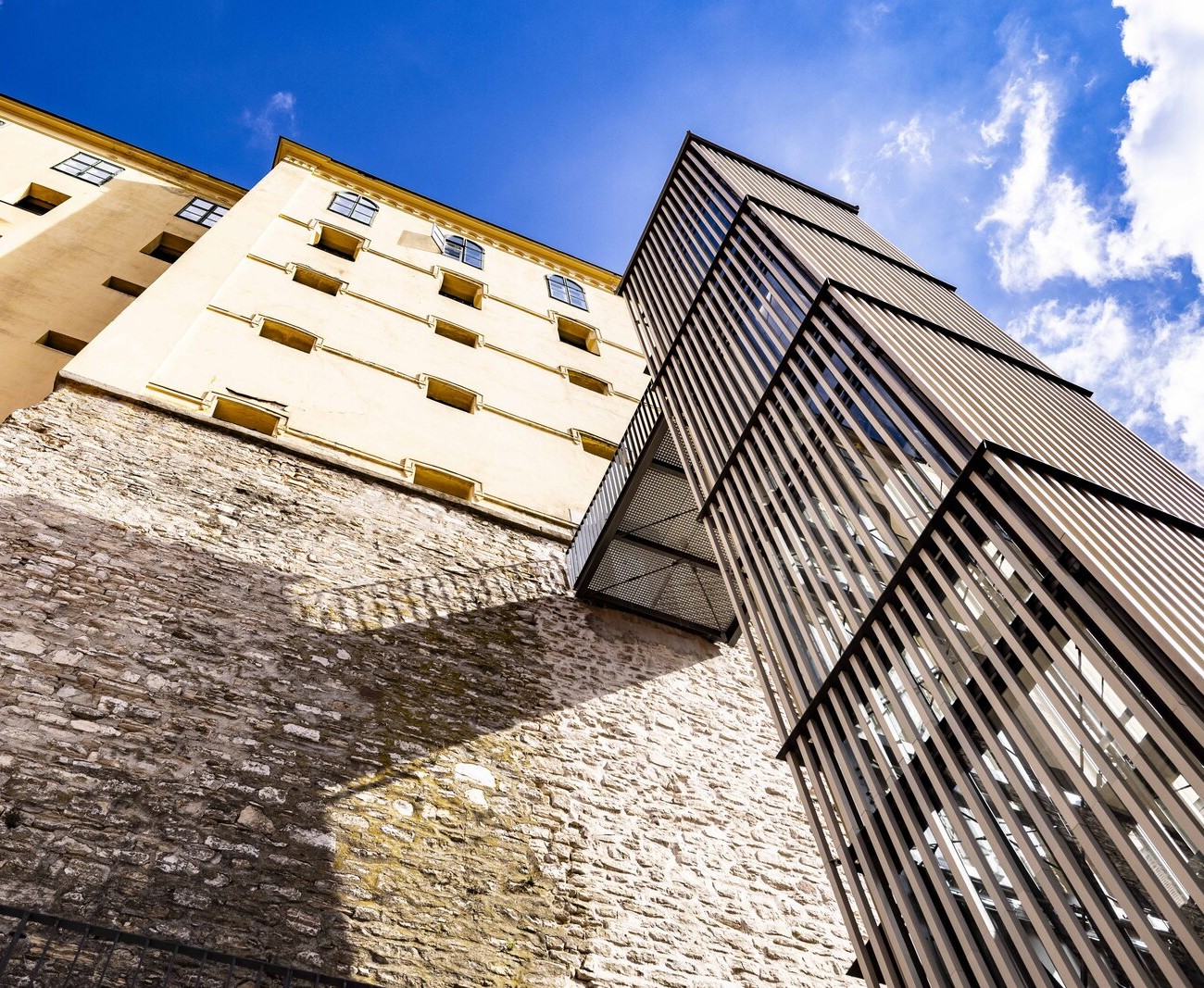
A veszprémi vár egyik különleges történeti emléke a Várbörtön, amely több mint két és fél évszázadon át kapcsolódott a város és Veszprém vármegye igazságszolgáltatásának történetéhez. Az épület nemcsak egykori büntetés-végrehajtási helyként, hanem a magyar történelem számos jelentős eseményének tanújaként is fontos része Veszprém történeti örökségének.
A középkorban Veszprémben még nem működött önálló börtön, a foglyokat a várhegy természetes üregeiben őrizték. A 18. század közepén, 1754 és 1763 között épült fel az új vármegyeháza a mai Vár utcában, amelyben a törvényszék mellett tömlöcöt is kialakítottak. A helyiségek hamarosan szűknek és egészségtelennek bizonyultak, ezért 1793-ban bővítették a börtönt.
Az 1810-es veszprémi földrengés jelentős károkat okozott a vár épületeiben. Az ezt követő újjáépítés részeként a vármegye 1846-ban határozott az új vármegyeháza és a hozzá kapcsolódó fogház megépítéséről. Az építkezés 1847-ben kezdődött, az ötszintes épületegyüttest pedig 1853-ban adták át. Az épület különlegessége, hogy a várudvar szintje felett két, alatta pedig három szintje található.
A 19. század végén az épületegyüttes a törvényszék használatába került. A börtön ekkorra már a mai formájához hasonlóan, a legalsó szinteken működött. Az épület az évtizedek során kisebb átalakításokon esett át, alapvető szerkezete azonban lényegében változatlan maradt. 2003-ig, bezárásáig Magyarország egyetlen működő várbörtöne volt.
A Várbörtön történetének fontos fejezete a 20. század. Az épület a magyar történelem tragikus korszakainak is tanúja volt. A nyilas uralom idején itt raboskodott Mindszenty József veszprémi püspök, a későbbi esztergomi érsek és hercegprímás. 1944 decemberében a veszprémi rendőrségről szállították át a helyi fogházba, ahol december 22-ig tartották fogva.
A Várbörtön az 1956-os forradalom és szabadságharc veszprémi eseményeinek emlékezetében is kiemelt helyet foglal el. Itt raboskodott Brusznyai Árpád klasszika-filológus, középiskolai tanár, aki a Veszprém Megyei Nemzeti Forradalmi Tanács vezetőjeként vett részt a forradalom eseményeiben. Brusznyai Árpádot 1958. január 9-én kivégezték. 1956 novemberében a Várbörtönben gyűjtötték össze a forradalomban részt vevő veszprémi egyetemisták és oktatók egy részét is, akiket később a Szovjetunióba hurcoltak.
A veszprémi Várbörtön története így egyszerre része a város büntetés-végrehajtási, igazságszolgáltatási és építészeti múltjának, valamint a 20. századi magyar történelem emlékezetének. Az épület falai között különböző korszakok foglyai fordultak meg, köztük olyan személyek is, akiknek sorsa szorosan összekapcsolódott Magyarország történelmének meghatározó eseményeivel.
2003-ban a Várbörtönben működő büntetés-végrehajtási intézet bezárt, és a fogvatartottakat új intézetbe költöztették. Ezzel a több mint két évszázados börtöntörténeti korszak lezárult, az épület azonban továbbra is őrzi a hozzá kapcsolódó történetek és emlékek nyomait.
One of the Veszprém Castle District’s distinctive historic sites is the Castle Prison, which for more than two and a half centuries was closely connected to the history of the administration of justice in the city of Veszprém and Veszprém County. The building is important not only as a former place of detention, but also as a witness to several significant events in Hungarian history and an integral part of Veszprém’s historical heritage.
In the Middle Ages, Veszprém did not yet have a separate prison, and prisoners were held in natural cavities in the castle hill. In the mid-18th century, a new county hall was built on today’s Vár Street between 1754 and 1763. In addition to the court, the building also housed a prison. The cells soon proved too small and unhealthy, and the prison was therefore expanded in 1793.
The earthquake of 1810 caused considerable damage to the buildings of the castle district. As part of the subsequent reconstruction, in 1846 the county decided to construct a new county hall and an associated prison. Construction began in 1847, and the five-storey building complex was completed in 1853. One of its distinctive features is that it has two levels above the level of the castle courtyard and three levels below it.
At the end of the 19th century, the building complex came under the administration of the court. By this time, the prison was located on the lowest levels, largely in the form familiar today. The building underwent several minor alterations over the decades, but its basic structure remained essentially unchanged. Until its closure in 2003, it was the only functioning castle prison in Hungary.
The history of the Castle Prison also includes an important chapter in the 20th century. The building witnessed some of the most tragic periods of Hungarian history. During the rule of the Arrow Cross Party, József Mindszenty, Bishop of Veszprém and later Archbishop of Esztergom and Primate of Hungary, was imprisoned here. In December 1944, he was transferred from the Veszprém police station to the local prison, where he was held until 22 December.
The Castle Prison also occupies an important place in the memory of the events of the 1956 Hungarian Revolution and War of Independence in Veszprém. Among those imprisoned here was Árpád Brusznyai, a classical philologist and secondary-school teacher who took part in the revolution as the leader of the Veszprém County National Revolutionary Council. Brusznyai was executed on 9 January 1958. In November 1956, a number of Veszprém university students and lecturers who had participated in the revolution were also detained in the Castle Prison. Some of them were subsequently deported to the Soviet Union.
The history of the Veszprém Castle Prison is thus simultaneously part of the city’s history of imprisonment, administration of justice and architecture, as well as the memory of defining events in 20th-century Hungarian history. Prisoners from different periods passed through its walls, including individuals whose fates became closely intertwined with major turning points in Hungary’s history.
In 2003, the correctional institution operating in the Castle Prison was closed, and the inmates were transferred to a new facility. This brought to an end more than two centuries of continuous prison history at the site. The building, however, continues to preserve the traces and memories of the people and events associated with it.